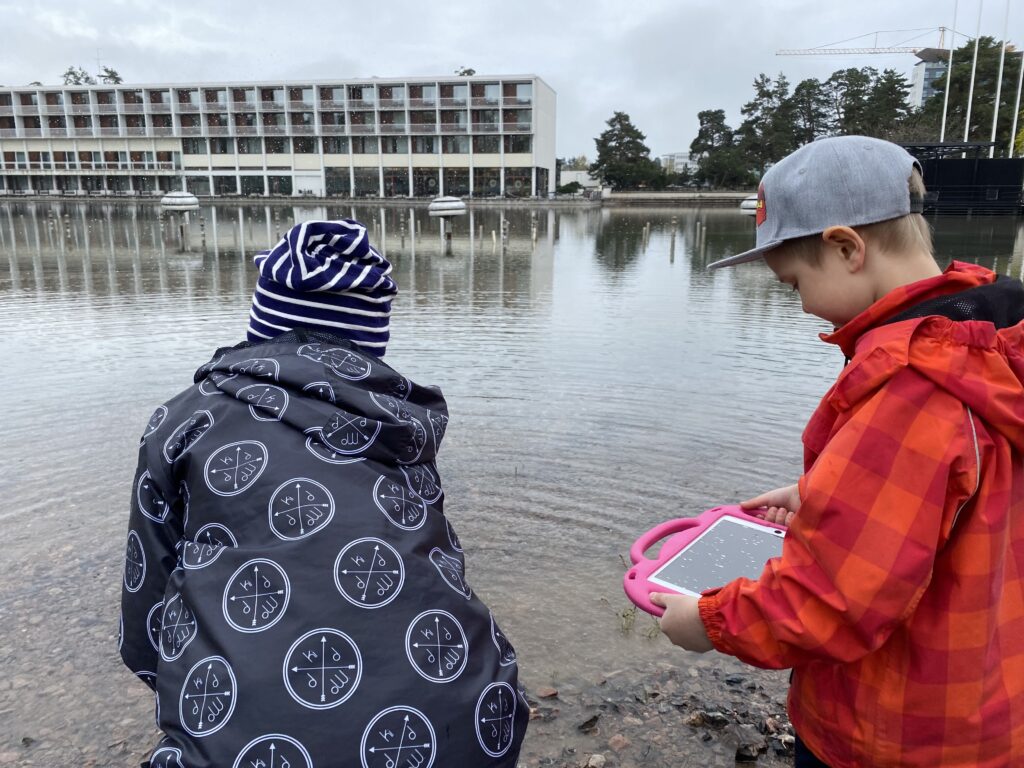
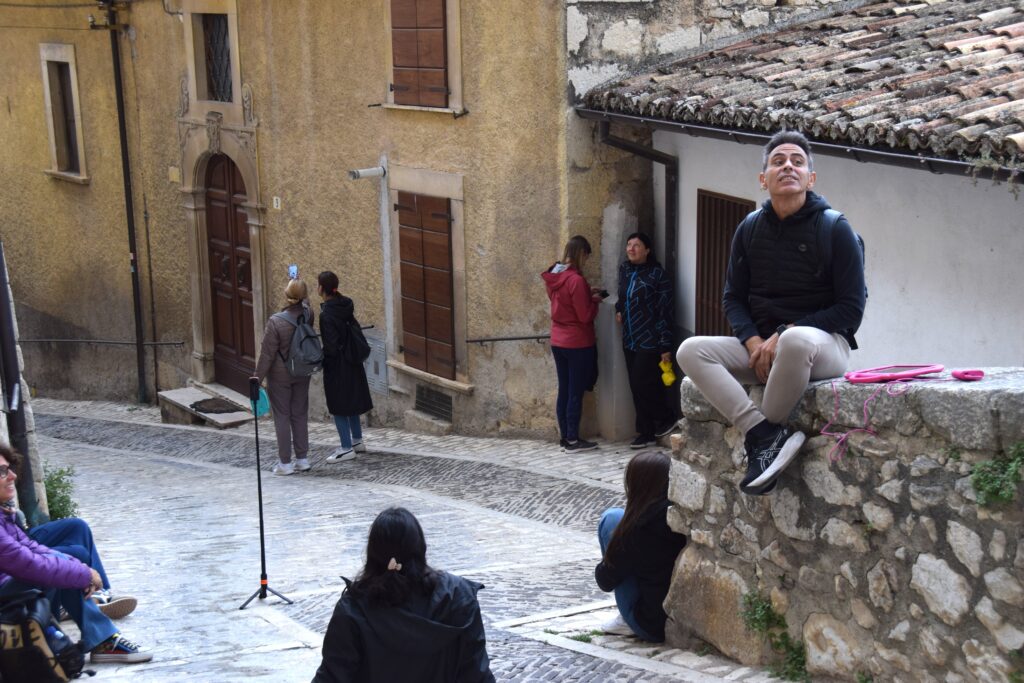
“In early childhood education, the heritage theme may initially seem complicated for young children, and it can be intimidating to approach these topics, leading to doubts about their interest or motivation. However, when heritage is introduced through digital tools, children can understand it better. Experiencing this firsthand proves that it is possible.” – participating teacher –
“If you had asked me about a heritage project with preschool children a year ago, I would have thought it was impossible, but now, having experienced it, I am confident to continue with such initiatives. The children enjoyed learning about the heritage of their area. Many centers are unaware of the potential of heritage; it must be experienced to be truly understood.” – participating teacher –
A practical, child-centred approach for cultural heritage learning through creative and digital pedagogy
Createch was a two-year project co-funded by the European Commission under the Erasmus+ program. The project is coordinated by The Association of Cultural Heritage Education in Finland (FIN) and implemented in partnership with INTO SCHOOL (FIN), La Fundación SM (ESP), KulturAll (SRB) and Harp (IT). In addition, two kindergartens from each country participate in the project.
CREATECH aimed to develop heritage education in Early Childhood Education and Care (ECEC) by blending creative digital pedagogy and transmedia storytelling with cultural heritage learning. The project encouraged children to explore and learn from their local cultural surroundings, connecting stories of the past, present, and future through sensory exploration, imagination, and creativity. By making cultural
heritage an everyday, lived phenomenon, CREATECH sought to make heritage education meaningful, relevant and engaging for young learners.
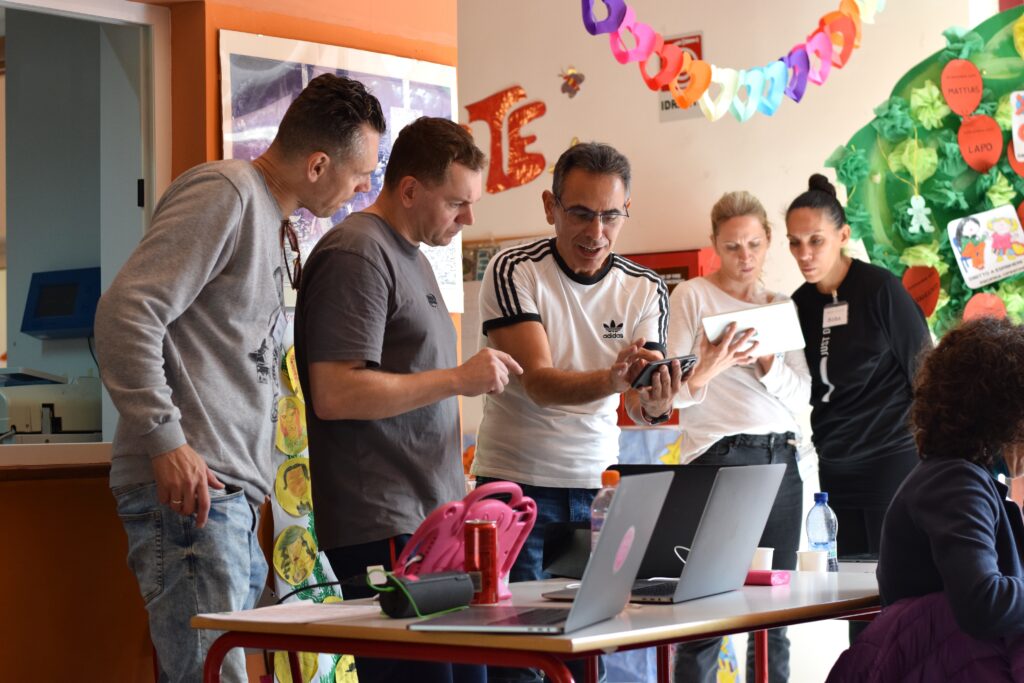
During 2024–2025, participating kindergartens implemented phenomenon-based creative projects supported by teacher training and children’s workshops. The activities strengthened ECEC teachers’ skills and competencies in multidisciplinary and phenomenon-based learning, with particular attention to children’s creative learning processes. At the same time, the project fostered children’s cultural skills, inclusion, and creative expression.
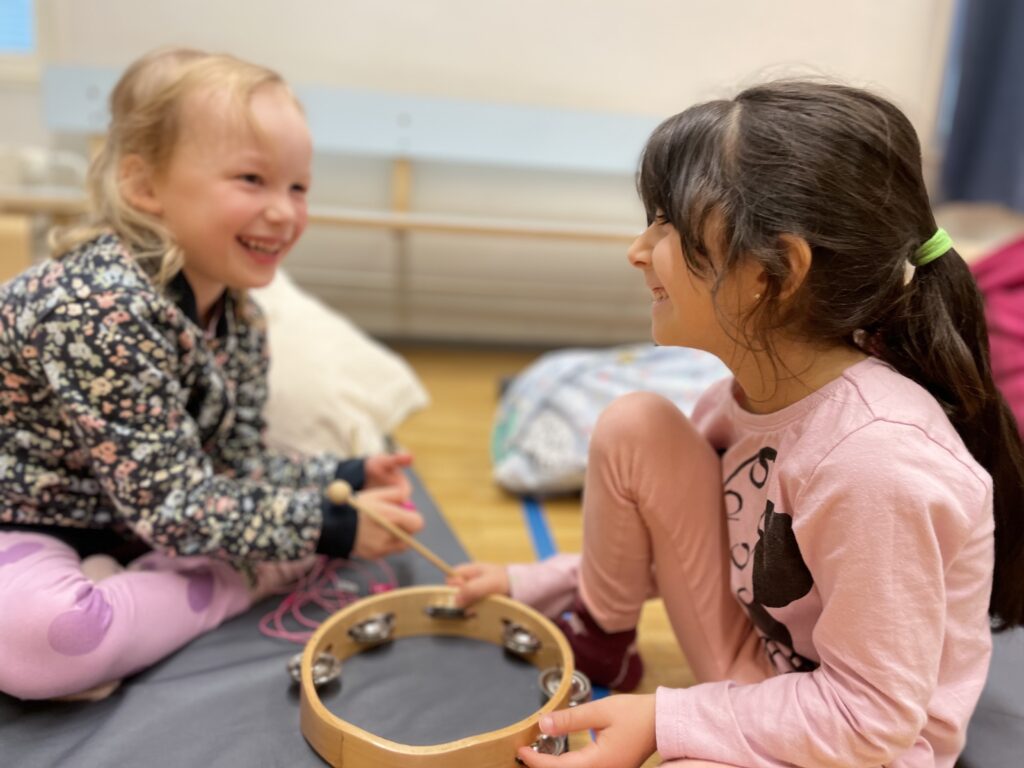
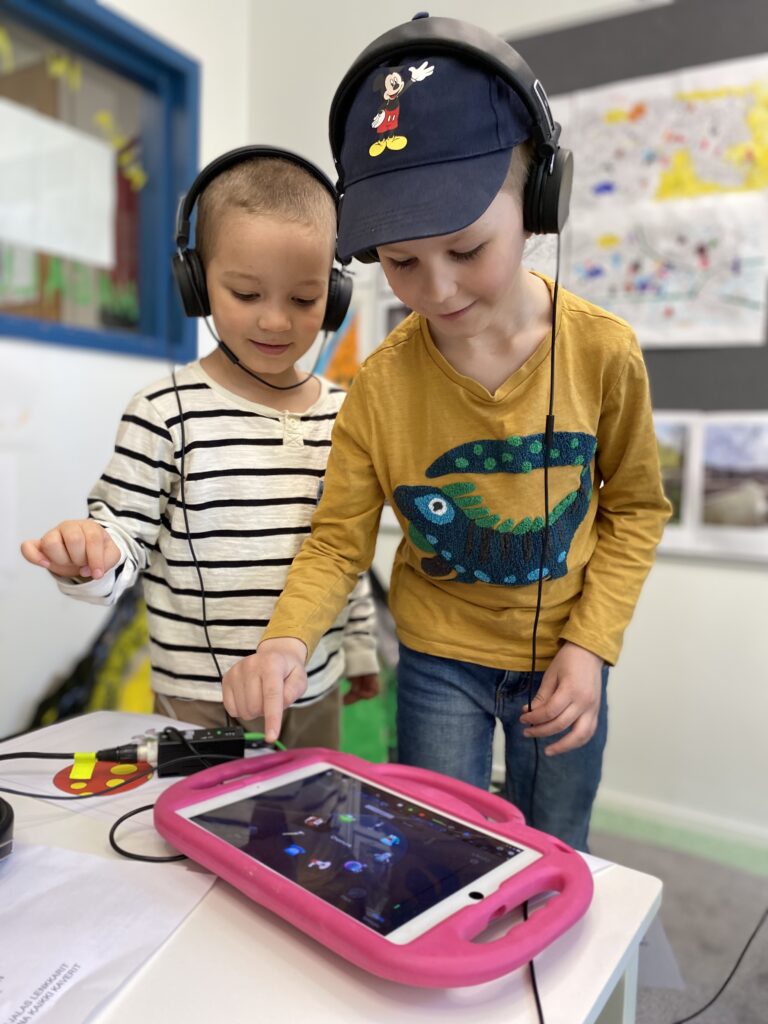
Children explored their immediate cultural environment through different senses and emotions, examining its layers across time. Guided by their educators, they created their own 360° digital environments to tell heritage stories using music, video, photography, visual arts, and drama. These child-led productions were brought together in a shared online exhibition, offering viewers and listeners an immersive and innovative experience of cultural heritage.
By combining digital tools with hands-on, playful exploration, CREATECH provided educators with inspiring and practical approaches to integrating cultural heritage into everyday learning. The project empowered children as active participants and co-creators of culture, demonstrating how even the youngest learners can be powerful storytellers and creative contributors to their communities.
CREATECH was not just a project. It’s a celebration of curiosity, connection, and the power of children to shape the stories of tomorrow.
A Guidebook for Creative Practices and Transmedia Heritage Education in ECEC
The Guidebook offers practical tools, inspiring examples and step-by-step guidance to support educators in planning and implementing their own transmedia heritage projects in early childhood education settings. While primarily designed for kindergartens, the approach can also be applied in non-formal education contexts and used by cultural and heritage
professionals working with young children, such as in museums and community settings.
Aligned with the EU Key Competencies for Lifelong Learning, the Guidebook presents a wide range of adaptable activities suitable for ECEC settings across Europe. Designed as a flexible and user-friendly resource, it can be used independently by educators and easily adjusted for older children or diverse learning environments. Its activities encourage the integration of cultural heritage, creativity, and storytelling into everyday learning, making heritage meaningful, relatable, and accessible for young learners.
Through music, children explore traditional songs that tell stories of their cultural backgrounds. Theatre and drama activities invite them to act out past events, local folklore, or imagined future scenarios, bringing heritage to life through embodied learning. Storycrafting supports children in creating their own heritage narratives, strengthening creativity, language skills, and personal connection to culture. Hands-on craft activities allow them to design and produce tangible artefacts that reflect their identities and communities.
By combining playful exploration with digital tools and creative expression, the Guidebook empowers educators to foster inclusion, cultural awareness, and active participation, supporting young children as confident storytellers and co-creators of culture.
The Guidebook is available in 5 languages; English, Finnish, Serbian, Spanish and Italian.
Take a look at the Guidebooks here!
CREATECH 360° Exhibition
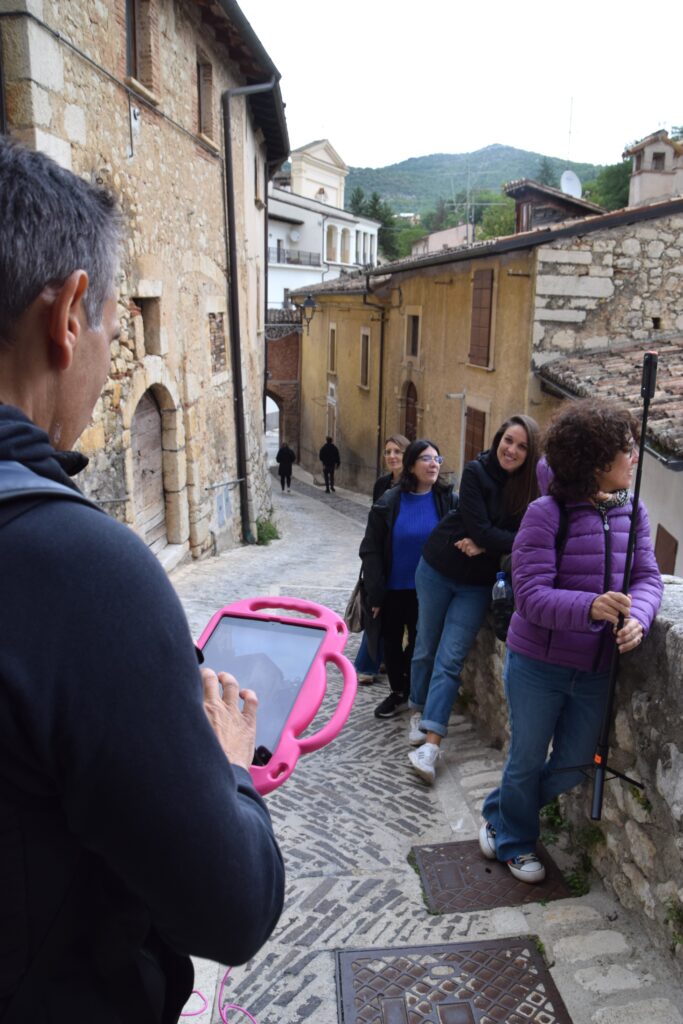
Over the course of the project, children from Finland, Spain, Italy, and Serbia explored their local surroundings – their streets, stories, traditions, and dreams – through the lens of the past, present, and future. Together with their teachers, they’ve imagined what their communities were like long ago, reflected on what they mean today, and envisioned what they could become.
Using a mix of storytelling, music, drawing, photography, and digital tools, the children created a rich collection of audiovisual works. These are more than just creative projects – they are expressions of belonging, identity, and imagination.
This 360° exhibition invites you to step into their worlds. To listen, to see, and to feel how cultural heritage lives and evolves in the hands of the next generation.
“The children felt very proud of the final result, and the parents were pleasantly surprised by it.” – participating teacher –
“The joy of the children throughout the whole process of the project, the execution of the project, and the making of the project itself, and then the moment of presenting their film – that feeling is truly indescribable. Also, the tears of joy from the parents who attended the presentation at the end.” – participating teacher –
See the CREATECH 360° Exhibition.
Recommendations for transmedia heritage education for early childhood educators (ECEC)
CREATECH developed and tested a transmedia cultural heritage education approach for early childhood education and care by combining storytelling, creativity and digital pedagogy in kindergartens in Finland, Spain, Italy and Serbia. The recommendations build on the project’s implementation experiences and evidence gathered through documentation, reflections, feedback from educators and project staff and observations from the pedagogical development projects carried out with children. The recommendations are primarily aimed at early childhood educators and other ECEC professionals who want to use cultural heritage as a living learning resource in everyday practice. They support educators in creating child-centred heritage projects where children explore meaningful places and traditions through the lenses of past, present and future and express their ideas through multiple creative forms. The approach integrates heritage education with art-based learning, play, collaboration and age-appropriate digital tools and it strengthens children’s agency by positioning them not only as learners, but as active creators of heritage and culture.
Research Report
Research was designed to accompany, document, and critically reflect on the development and implementation of the Transmedia Heritage Education (THE) Model in Early Childhood Education and Care (ECEC). While the project itself aimed to develop pedagogical innovation and practical outcomes, the research focused on understanding how the model was implemented across diverse contexts, under what conditions, and with what perceived effects from the perspectives of educators and project staff.
Social media
Other partner’s CREATECH pages
For more information, contact the coordinator of the project Kati Nurmi / kati.nurmi@kulttuuriperintokasvatus.fi / +358 400 937 081